Strength After 50: Build Muscle & Boost Vitality
As we journey through life, reaching our 50s often brings a unique set of reflections and changes. Perhaps you've begun to notice a subtle shift in your energy levels, or maybe tasks that once felt effortless now require a little more exertion. Have you paused to consider how these shifts might be related to your body's most dynamic tissue – your muscles?
It is a natural part of our lifelong journey, but it doesn't mean we must passively accept a decline in strength and vitality. As a senior health consultant, I often observe a common misconception: that muscle loss is an unavoidable consequence of aging. While it's true that our bodies undergo transformations, particularly after the age of 50, proactively addressing muscle health is one of the most powerful steps we can take towards a vibrant, independent future. Indeed, cultivating strong muscles in your 50s and beyond is not merely about aesthetics; it is about building the foundation for sustained health, preventing sarcopenia, and enhancing your overall quality of life.
In this comprehensive guide, we will explore practical, evidence-based strategies for how to build muscle in your 50s, focusing on effective strength training, optimal nutrition, and essential lifestyle adjustments. My aim is to equip you, whether you are a man or woman in your 50s, with the knowledge to not just slow, but actively reverse, the tide of age-related muscle decline, paving the way for a more active and fulfilling chapter.
Understanding Muscle Loss in Your 50s: Why It Matters More Than Ever
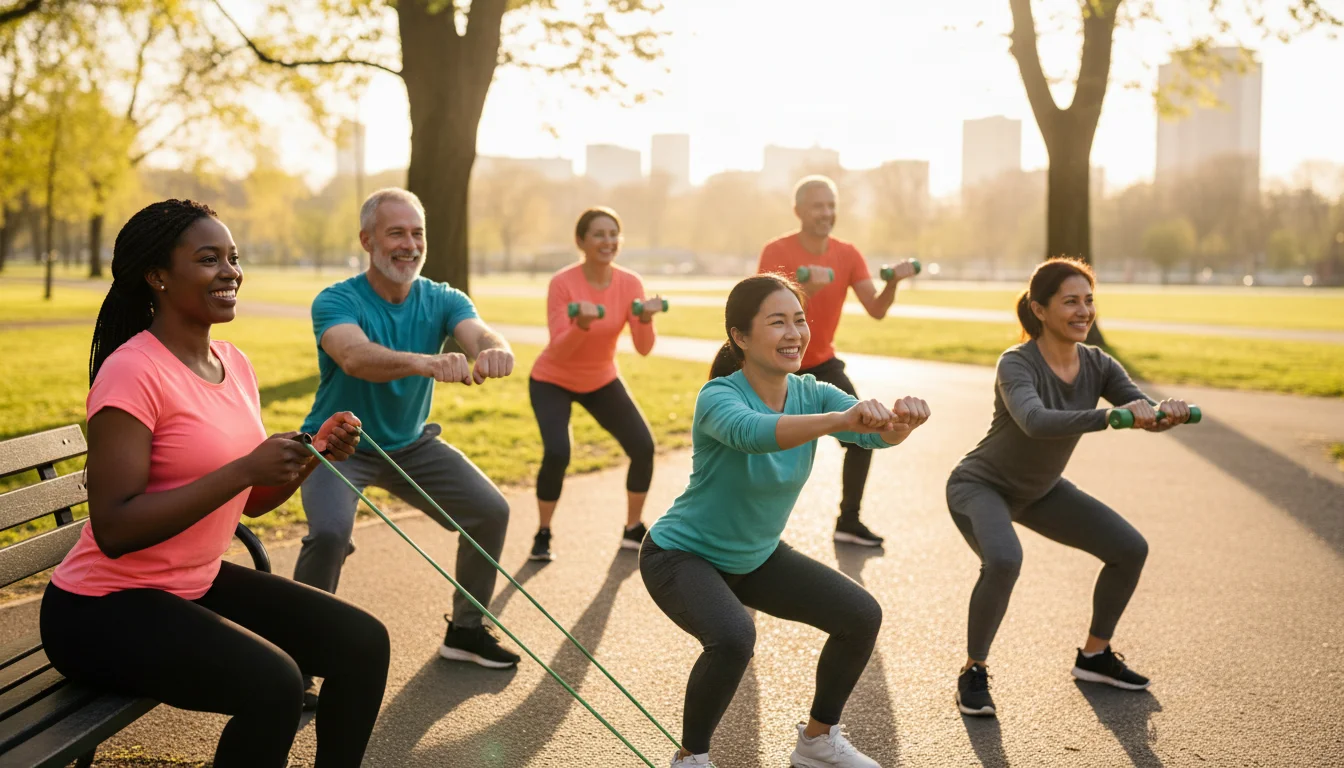
Around the age of 50, many individuals begin to experience a noticeable decrease in muscle mass and strength, a condition often referred to as sarcopenia. Experts, such as Professor Oh, indicate that muscle mass can decline by 1-2% annually after the age of 50, with this rate potentially accelerating for women after menopause. This isn't just about feeling a little weaker; strong muscles are integral to metabolic health, bone density, balance, and maintaining independence.
Consider the vital role muscles play in regulating blood sugar. Muscles are the primary sites for glucose utilization in the body. When muscle mass diminishes, our body's ability to efficiently process glucose can be impaired, increasing the risk of conditions like 'young diabetes' – a growing concern even in individuals in their 40s and 50s, as highlighted by medical insights. Therefore, building muscle in your 50s is a powerful defense against metabolic disorders and a cornerstone of long-term health.
Furthermore, strong muscles act as a protective shield for our joints, helping to mitigate the impact of age-related conditions such as arthritis. Developing comprehensive strength in your middle age is not about achieving peak athletic performance, but about preserving the functional capacity that allows you to enjoy daily activities without discomfort.
The Cornerstone of Strength: Effective Resistance Training for the Over 50s
To combat muscle loss and actively increase muscle mass in your 50s, regular resistance training is paramount. This doesn't necessarily mean spending hours in a gym; it means engaging your muscles against a force, be it weights, resistance bands, or even your own body weight.
For those in their 50s, whether you are considering a 50s gym routine or prefer 50s bodyweight exercises, the focus should be on consistency and proper form. Professor Oh emphasizes the importance of targeting large muscle groups such as the thighs, glutes, and torso, recommending resistance training 2-3 times per week. Incorporating functional movements like single-leg stands or heel-to-toe walking can also significantly improve balance and lower body strength, crucial for preventing falls.
For upper body strength, experts suggest focusing on compound exercises that engage multiple muscle groups simultaneously – think movements that build strength in your shoulders, back, chest, arms, and core. These exercises are highly efficient for middle-aged strength enhancement and can be adapted to suit individual fitness levels and any joint considerations. If you are experiencing conditions like arthritis, seeking guidance on joint-friendly exercises for 50s from a qualified trainer or physical therapist is always recommended.
Remember, the goal of strength training for 50s isn't to overexert, but to stimulate muscle growth safely and progressively. A well-designed 50s workout plan will gradually increase the intensity or volume of your exercises as your strength improves. This progressive overload is key to continuing to build muscle in your 50s.
Nourishing Your Muscles: Optimal Nutrition for the Over 50s
Exercise alone is not enough; your diet plays a critical role in supporting muscle growth and overall vitality. For individuals building muscle in middle age, adequate protein intake for 50s is absolutely essential. Proteins are the building blocks of muscle, and as we age, our bodies may require more protein to stimulate muscle synthesis effectively.
Aim to include a good source of protein at every meal. Excellent options include lean meats, poultry, fish, eggs, dairy products (such as Greek yogurt or cottage cheese), legumes, and plant-based protein powders. A general guideline for protein intake for 50s strength training diet is around 1.0 to 1.2 grams of protein per kilogram of body weight, but individual needs can vary.
Beyond protein, a balanced diet rich in whole foods, complex carbohydrates, and healthy fats will provide the energy and micronutrients necessary for recovery and performance. Think about the balanced approach often seen in traditional Japanese diets, which emphasize fresh, unprocessed foods, often rich in vegetables, fish, and whole grains. This holistic approach supports not just muscle health, but also overall longevity.
Staying well-hydrated is also crucial. Water plays a vital role in every bodily function, including nutrient transport and muscle contractions. Ensure you are drinking plenty of water throughout the day, especially around your workout sessions.
Beyond the Gym: Lifestyle Factors for Comprehensive Muscle Health
Building muscle in your 50s extends beyond structured exercise and diet; it encompasses your entire lifestyle. Here are a few critical aspects:
Prioritizing Rest and Recovery: The 'Sleep Muscle'
Adequate sleep is often an overlooked component of muscle growth and overall health. During sleep, our bodies repair and rebuild muscle tissue that was challenged during exercise. Experts even speak of cultivating a 'sleep muscle' – the ability to consistently achieve restorative sleep, which can have profound impacts on physical and mental well-being. There are even stories of individuals in their 50s who, by consciously improving their sleep habits, have successfully reduced or even eliminated their reliance on sleeping medications. Are you giving your body the full opportunity to recover and grow each night?
Cultivating Inner Resilience: The Mental Aspect of Muscle Building
Our mental state profoundly impacts our physical capabilities. The 50s can be a period of significant life transitions, often requiring immense inner strength. Sometimes referred to as the 'sandwich generation,' many find themselves caring for aging parents while still supporting adult children, without the expectation of similar support in return. Developing inner resilience, a kind of 'inner muscle,' through self-affirmation and self-care practices, can empower you to stay committed to your physical health goals. A strong mind supports a strong body, reinforcing your dedication to physical activity and healthy habits.
Embracing Regular Movement
Even on non-training days, remaining active is beneficial. Simple activities like walking, gardening, or taking the stairs can contribute to your overall activity level and support joint health. This consistent, moderate movement is a hallmark of many long-lived communities, underscoring its importance not as intense exercise, but as a woven part of daily life.
Your Journey to Lasting Strength and Vitality
Embarking on a journey to build muscle in your 50s is a profound investment in your future self. It is a commitment to not just add years to your life, but life to your years. By understanding the importance of addressing muscle loss, engaging in effective strength training (whether it's 50s resistance training for men or 50s strength training for women, gym routines or bodyweight exercises), prioritizing protein intake, and nurturing a holistic lifestyle, you are actively choosing a path of greater independence, energy, and joy. This isn't just about avoiding sarcopenia; it's about embracing a vibrant chapter of life's journey.
Remember, your body is incredibly resilient and capable of adaptation at any age. With consistent effort and a warm, scientific approach to your health, you can absolutely reclaim and enhance your strength, allowing you to live your 50s, 60s, 70s, and beyond with robust health and unwavering vitality. Are you ready to take the first step towards this empowering transformation?