Sarcopenia Exercise Guide: Boost Senior Vitality
As we journey through life, reaching our golden years can bring immense joy and wisdom, yet it also presents unique health considerations. Have you ever truly considered the silent threat of muscle loss, known as sarcopenia, and its profound impact on your quality of life? This condition, characterized by a progressive decline in skeletal muscle mass and strength, can significantly affect independence and overall well-being. Today, we will delve into the critical role of targeted sarcopenia exercise in not only preventing this decline but also in empowering you to embrace a more vibrant, active senior life. It's not merely about building muscle; it's about preserving your independence and enriching your entire life's journey.
In this comprehensive guide, we will explore why proactive engagement in sarcopenia exercise is non-negotiable for seniors, understand the most effective strategies to incorporate these vital movements into your routine, and discover practical ways to make muscle strengthening a sustainable part of your daily life. My aim, as Dr. Ella, is to provide you with logical, empathetic, and scientifically grounded insights that you can trust and implement for a healthier tomorrow.
Understanding Sarcopenia: The Silent Foe of Senior Health
Many of us associate aging with a natural reduction in physical capabilities, but few truly grasp the specific, insidious nature of sarcopenia. This condition goes beyond simple muscle weakening; it represents a significant loss of muscle mass, strength, and function that can profoundly impact our ability to perform everyday tasks. Indeed, expert Dr. Norihiro Sato, a world-renowned cancer specialist, regards sarcopenia as a formidable adversary, especially for those undergoing critical medical treatments. He emphasizes that adequate muscle mass, particularly in the lower body, can be a crucial factor in successful recovery and improved survival rates, as diminished muscle can severely impede the body's ability to heal and regain strength post-operation. This perspective underscores that sarcopenia exercise isn't just about feeling stronger; it's a fundamental pillar for resilience and overall health.
Do we truly appreciate the profound implications of neglecting our muscle health? Without sufficient muscle, everything from walking steady to lifting groceries becomes a challenge, potentially leading to falls and decreased independence. The good news is that this decline is not inevitable. By understanding the mechanisms of sarcopenia, we are better equipped to combat it. Incorporating regular sarcopenia exercise helps stimulate muscle protein synthesis, strengthens muscle fibers, and improves neuromuscular communication, actively reversing or significantly slowing down this detrimental process. It's about proactive engagement rather than passive acceptance, ensuring that our bodies remain capable and robust as we age.
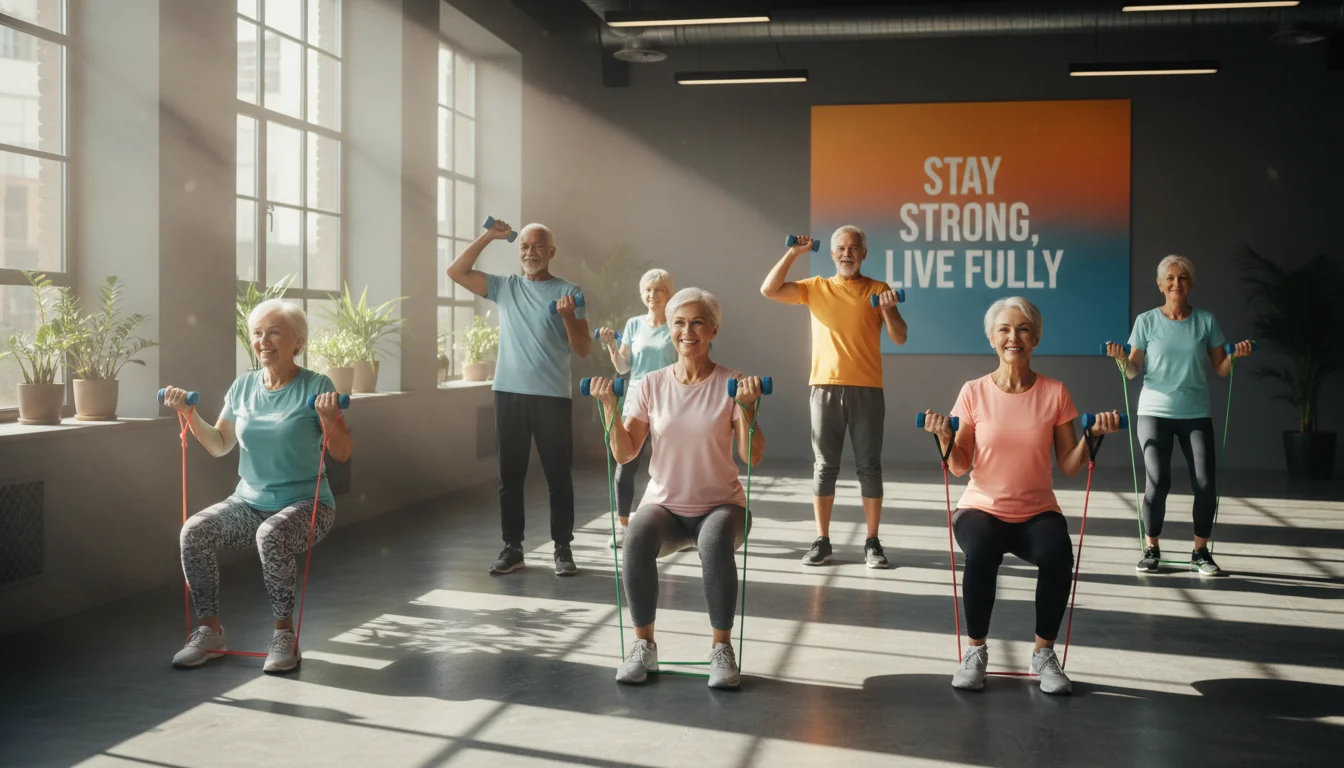
Targeted exercise combats muscle loss.
The Power of Targeted Sarcopenia Exercise: More Than Just Lifting
When we speak of sarcopenia exercise, it's common for individuals to envision heavy barbells and strenuous gym sessions, which can often deter seniors. However, the truth is far more accessible and adaptable. Effective muscle-building for seniors focuses on resistance training, which can be achieved through various methods: bodyweight exercises, resistance bands, light dumbbells, or even everyday objects found around the home. Dr. Sato, from his vast experience, champions specific, effective strength training methods that correct common misconceptions about what truly constitutes beneficial muscle work for older adults and those recovering from illness. He highlights that consistent, proper form with moderate resistance is far more effective than sporadic, high-intensity workouts that might carry a greater risk of injury.
For instance, simple yet potent sarcopenia prevention exercise can include chair squats, wall push-ups, or calf raises. The emphasis should be on controlled movements, engaging the muscles through their full range of motion. Consider the Japanese concept of "taisō" (physical exercise), often seen in community settings: gentle yet consistent movements that promote not only physical strength but also flexibility and balance. A balanced strength training routine for seniors might involve 2-3 sessions per week, targeting all major muscle groups, allowing adequate rest for muscle recovery and growth. This dedicated approach to elderly exercise methods actively counteracts muscle atrophy, helping to maintain bone density and improve metabolic health, contributing significantly to overall well-being and longevity.
Integrating Sarcopenia Exercise into Your Daily Journey
Making sarcopenia exercise a sustainable part of your lifestyle requires thoughtful integration, not disruption. Much like the wisdom observed in traditional Japanese lifestyles, where daily activity and mindful movement are integrated seamlessly, our approach to combating sarcopenia should reflect a holistic commitment to enduring vitality. This doesn't mean drastic changes overnight, but rather incremental adjustments that build into a powerful routine. Start with exercises that feel comfortable and gradually increase intensity or duration as your strength improves. Think of everyday activities as opportunities for movement: taking the stairs instead of the elevator, walking to the local store, or spending time gardening can all contribute to your overall physical activity levels.
For a more structured approach to home strength training, consider a simple routine focusing on compound movements. Calf raises, as highlighted by experts for their role in overall leg strength, can be done while waiting for your morning coffee. Wall push-ups are excellent for upper body strength and can be performed multiple times a day. Even sitting and standing exercises from a sturdy chair can significantly improve lower body power and balance. The key to effective sarcopenia treatment exercise is consistency and proper form, ensuring that you're engaging the right muscles safely. Remember, every small step contributes to a larger journey of health and independence. Consulting with a physical therapist or a specialized senior fitness instructor can also provide personalized guidance, ensuring your chosen sarcopenia workout is safe and optimally effective for your individual needs.
Frequently Asked Questions
What is sarcopenia and why is sarcopenia exercise important for seniors?
Sarcopenia is the age-related loss of muscle mass, strength, and function. It's crucial for seniors because it increases the risk of falls, impairs mobility, reduces independence, and can complicate recovery from illness. Targeted sarcopenia exercise helps prevent and reverse this muscle loss, improving overall health and quality of life.
How often should seniors engage in sarcopenia prevention exercise?
For optimal sarcopenia prevention exercise, seniors should aim for at least two to three resistance training sessions per week, targeting all major muscle groups. Allowing a day of rest between sessions is important for muscle recovery and growth.
Can I do sarcopenia exercise at home without special equipment?
Absolutely. Many effective sarcopenia exercise routines can be performed using just your body weight or simple household items. Examples include chair squats, wall push-ups, calf raises, step-ups, and exercises with resistance bands. Consistency is key.
What's the difference between strength training and resistance training for sarcopenia?
They are often used interchangeably, but resistance training is the broader term, referring to any exercise that causes muscles to contract against an external resistance. Strength training is a type of resistance training focused specifically on increasing muscle strength. Both are essential components of an effective sarcopenia workout plan.
How long does it take to see results from a sarcopenia exercise routine?
While individual results vary, consistent engagement in a sarcopenia exercise routine can start yielding noticeable improvements in strength and function within 4-6 weeks. Significant changes in muscle mass may take longer, often 2-3 months or more, but persistence is vital for long-term benefits.
Conclusion
As Dr. Ella, I hope this discussion has illuminated the critical importance of addressing sarcopenia through informed and consistent exercise. We've explored how understanding the condition is the first step, how targeted sarcopenia exercise – encompassing accessible resistance training – is your most powerful tool, and how integrating these movements thoughtfully into your daily life can transform your senior years. It is my sincere belief that proactive engagement in your health journey, guided by scientific understanding and a warm, empathetic approach, truly unlocks the potential for a fulfilling and independent life.
Remember, it is never too late to begin strengthening your body and enhancing your vitality. I encourage you to consult with a healthcare professional or a certified fitness expert to tailor a safe and effective sarcopenia workout plan that aligns with your individual needs and capabilities. Take that first step today towards cultivating a stronger, more resilient you, ready to embrace every moment of your magnificent life's journey.